
Elk sculptures have captured the imagination of artists and nature enthusiasts alike, serving as stunning representations of the majesty found within the animal kingdom. These monumental pieces not only showcase artistic talent but also provoke thought about wildlife conservation and the environment. Understanding the scale and significance of these sculptures can deepen our appreciation for both art and nature.
The Artistic Scale of Elk Sculptures
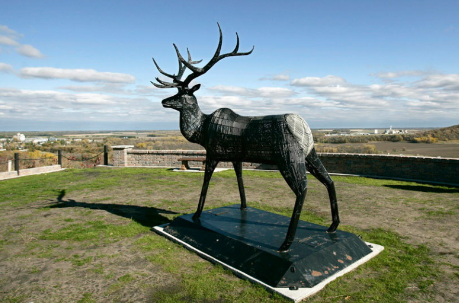
When we talk about scale in art, we refer to the size and proportion of a piece relative to its surroundings. Monumental elk sculptures can reach impressive heights, sometimes towering over 10 feet. This grandeur often commands attention in parks, zoos, and public spaces. Their large size allows artists to incorporate intricate details that evoke the raw beauty and strength of the elk. This scale not only makes the sculptures visually impactful but also symbolizes the importance of wildlife—reminding us of the natural world’s significance in our lives.
Cultural Significance and Symbolism
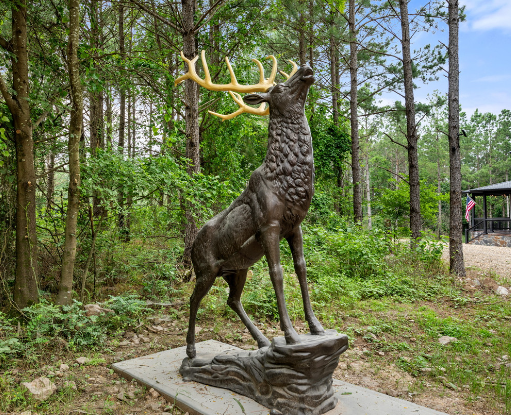
Elk have long been revered in various cultures, particularly among Indigenous peoples of North America. They are often seen as symbols of strength, endurance, and a connection to nature. Monumental elk sculptures can serve as cultural touchstones, honoring traditions and stories that span generations. By incorporating these symbols into public art, communities foster a sense of identity and encourage dialogue about the importance of wildlife preservation. An elk sculpture may not only beautify a space but also remind viewers of their responsibility to protect these majestic creatures and their habitats.
Sculpture Techniques and Materials
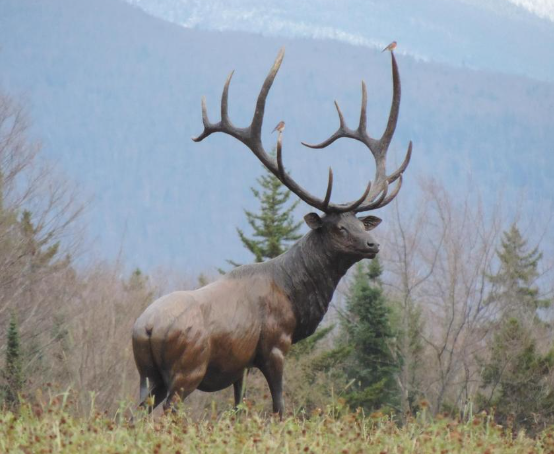
The creation of a monumental elk sculpture often involves a variety of techniques and materials, each contributing to the final product’s enduring quality. Artists may choose materials like bronze, stone, or even recycled metals, depending on the desired aesthetic and durability. These materials can be molded, carved, or assembled to create lifelike representations of elk in various poses—be it a grazing stance or an impressive display of antlers. The choice of technique also impacts the sculpture’s longevity, which is critical in outdoor settings where they are exposed to weather and environmental factors. Understanding these artistic decisions helps us appreciate the craftsmanship behind such monumental works.
In Conclusion
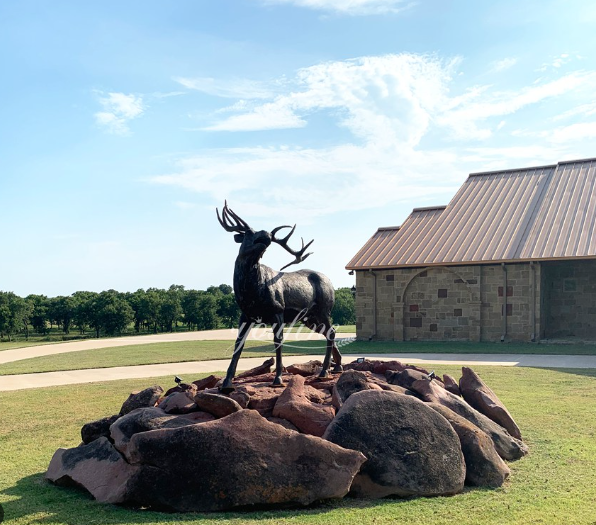
Monumental elk sculptures serve as a powerful intersection of art, culture, and wildlife conservation. These magnificent creations not only enhance their environments visually but also remind us of the important role that nature plays in our lives. Whether you’re an art lover, a nature enthusiast, or simply curious, exploring the world of elk sculptures can provide insights into our relationship with the natural world. So, why not dive deeper into this fascinating subject? Visit local galleries or parks showcasing these sculptures, or even try your hand at creating your own artistic representation!