
Elk sculptures are a fascinating blend of artistry and nature, capturing the majestic essence of one of North America’s most iconic wildlife. As nature enthusiasts seek to bring a piece of the wild into their homes, understanding the craftsmanship behind these sculptures becomes essential. This post delves into the artistry, materials, and techniques that transform raw inspiration into beautiful elk sculptures.
The Art of Elk Sculpture
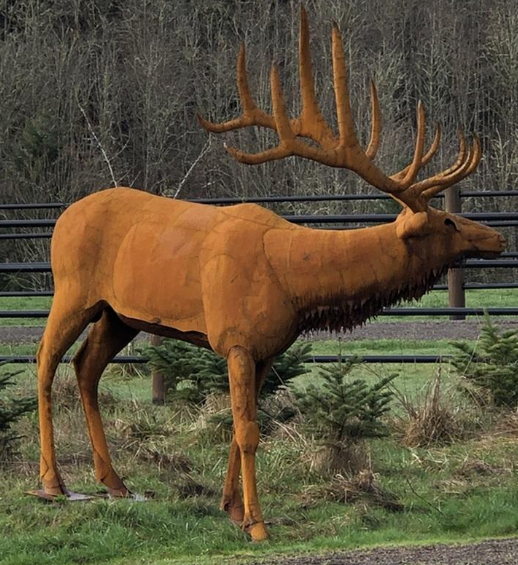
Creating elk sculptures requires not just artistic skill but also a deep understanding of the animal’s anatomy and behavior. Skilled artisans often study elk in their natural habitats, observing their movements and features to replicate them accurately. This attention to detail is what sets exceptional sculptures apart from ordinary ones. The blending of realism with artistic expression allows sculptors to evoke the elegance and power of these magnificent creatures, making each piece feel alive.
Materials Matter
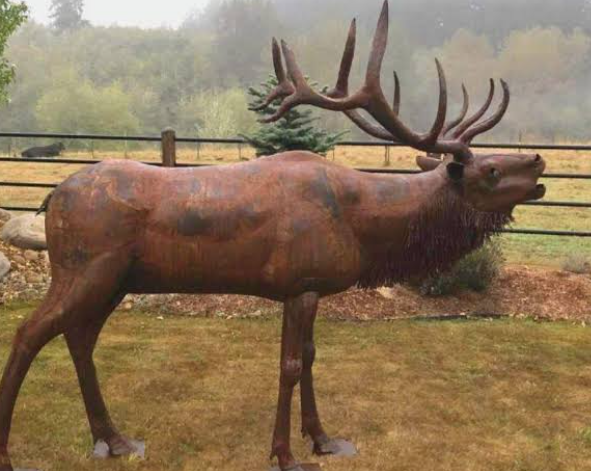
The choice of materials in elk sculpture significantly affects the final product’s aesthetics and durability. Popular materials include bronze, wood, and resin. Bronze, for example, provides a timeless quality, with its strength and resistance to weather making it ideal for outdoor displays. Wood, while offering a natural look, requires careful selection and treatment to withstand the elements. On the other hand, resin is lightweight and versatile, allowing for intricate details that can replicate the look of either wood or metal. Each material presents unique challenges and benefits, influencing the overall impact of the finished work.
Techniques of the Trade
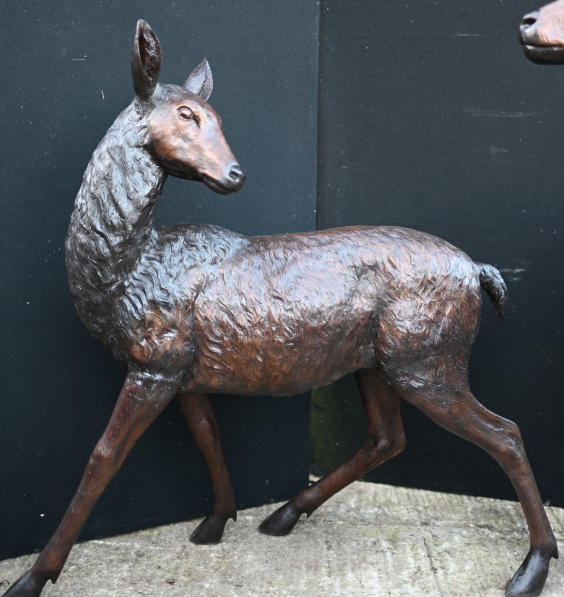
From traditional methods to modern techniques, the craftsmanship behind elk sculptures encompasses a variety of approaches. Many artists still employ the age-old method of lost-wax casting for bronze sculptures, a process that allows for intricate details and a smooth finish. Others may utilize carving techniques for wood, sculpting directly from a large block to reveal the form within. In recent years, some artisans have even embraced 3D printing, which efficiently brings complex designs to life. Regardless of the method, the artistry lies in the sculptor’s ability to breathe life into the materials, creating pieces that resonate with viewers.
In conclusion, elk sculptures are not just decorative items; they are expressions of the beauty and majesty of wildlife, crafted with skill, precision, and passion. Each piece tells a story and invites the viewer to connect with nature. If you’re intrigued by these stunning works of art, consider exploring local galleries or workshops where you can see these artisans at work. Dive deeper into the world of wildlife sculpture and perhaps find a piece that resonates with your own love for nature!