
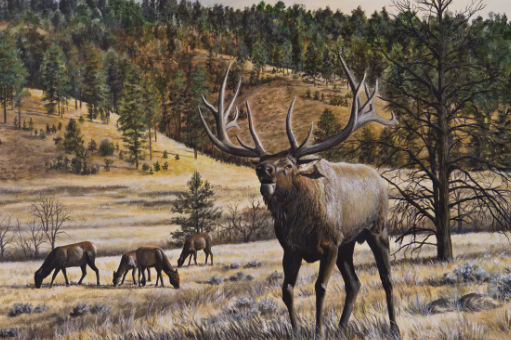
Elk are not just majestic creatures roaming the forests; their behavior provides rich inspiration for artists. Understanding how elk interact with their environment and each other can deepen our appreciation for wildlife while sparking creativity. In this blog post, we’ll explore how elk behavior can influence art, inspiring everything from paintings to elk sculptures.
1. The Majesty of Mating Rituals
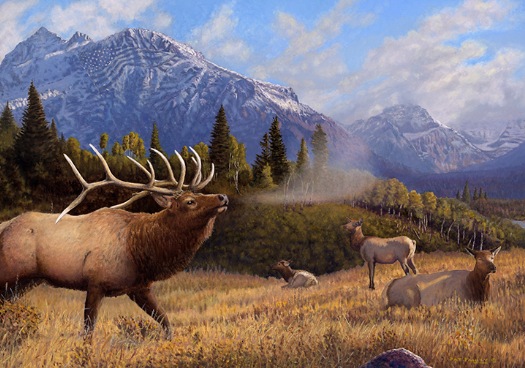
One of the most fascinating aspects of elk behavior is their mating rituals, particularly during the rutting season. Males engage in dramatic displays to attract females, showcasing their impressive antlers and vocalizing with powerful bugles. Artists often capture these moments on canvas, using bold colors and dynamic forms to convey the energy and intensity of the scene. By observing these rituals, artists can infuse their work with authenticity, portraying not just the physical beauty of elk, but the inherent drama of their courtship.
2. Social Structures and Interactions
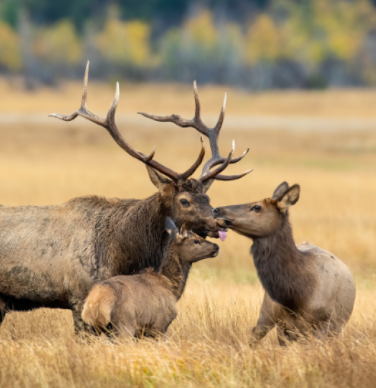
Elk are social animals that thrive in herds, demonstrating complex social behaviors that can be a goldmine for artistic inspiration. The interactions within these groups, such as grooming, playing, and even the hierarchies established among males and females, can be vividly illustrated in various art forms. Paintings and sculptures that depict these social interactions can provide insights into elk life, showcasing the importance of community in their survival. For artists, tapping into these social dynamics helps convey stories of connection, loyalty, and the intricate balance of nature.
3. Seasonal Changes and Adaptations
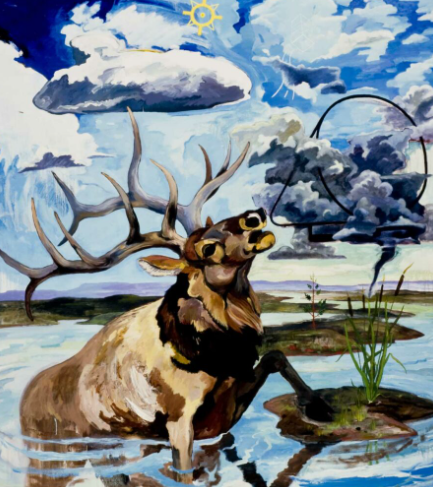
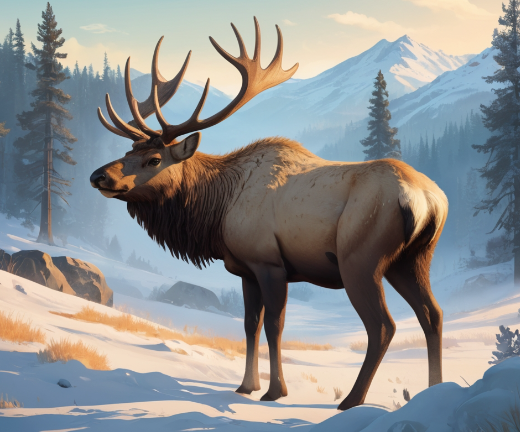
As the seasons change, so does elk behavior, making it a compelling subject for artists interested in portraying the beauty of nature’s cycles. In spring, elk are often seen nurturing their young, while in winter, they adapt to harsh weather conditions by foraging in snow-covered terrains. Artists can take creative liberties to reflect these seasonal transitions through color palettes and textures, utilizing warmer tones during the nurturing season and cooler, more muted shades in winter scenes. This not only educates viewers about elk life but also conveys the broader theme of resilience in nature.
Conclusion
Elk behavior offers a vibrant springboard for artistic expression, melding the worlds of nature and creativity. By observing their majestic movements, complex social structures, and seasonal adaptations, artists can produce works that resonate with viewers on multiple levels. If you’re inspired by the beauty of nature and the stories these magnificent animals tell, consider diving deeper into elk behavior and see how it can influence your own creative journey!