
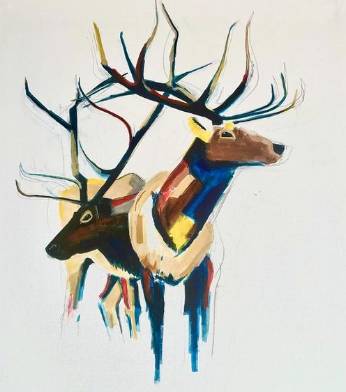
Elk art has long captivated artists and nature lovers alike, serving as a powerful symbol of strength and grace in wildlife. With their majestic stature and dynamic movements, elk embody the raw beauty of nature, making them a favored subject for artists. Understanding how to effectively capture the essence of these creatures on canvas or through other mediums not only enriches artistry but also enhances our appreciation for the natural world.
The Majesty of Elk in Motion
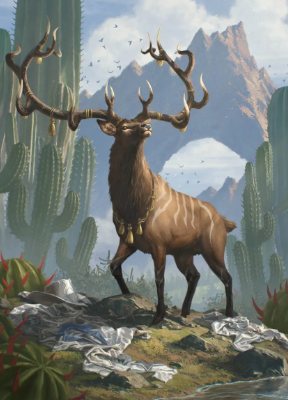
Elk are renowned for their grandeur, particularly during the rutting season when males engage in impressive displays to attract females. Artists often strive to illustrate this movement, emphasizing the elk’s powerful muscles and graceful gait. Techniques such as using sweeping brush strokes or dynamic poses in sculptures can help convey the energy and urgency that these animals exude. Observing elk in their natural habitat, whether through photography or real-life encounters, provides invaluable reference points for artists looking to depict these majestic creatures in all their glory.
Symbolism and Cultural Significance
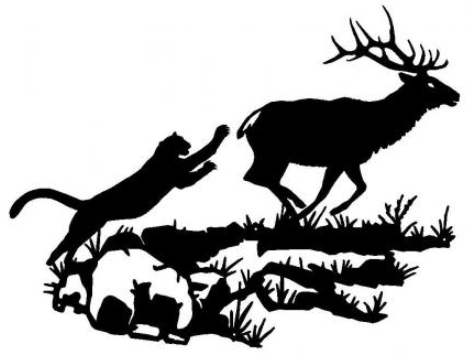
Throughout history, elk have held significant cultural importance in many indigenous traditions and art forms. They symbolize strength, endurance, and the connection between humans and nature. Incorporating indigenous narratives surrounding elk into art can add layers of meaning and depth to the work. Understanding these cultural associations not only enriches the artistic representation but also fosters a greater respect for the species. Artists can draw inspiration from these stories to create pieces that resonate with viewers on a deeper level, making the art not just a visual experience but a narrative one.
Techniques to Enhance the Artwork
Capturing the essence of elk in art requires a blend of technique and keen observation. Artists often utilize various mediums—paint, charcoal, or even digital tools—to create vibrant depictions that mimic the elk’s natural environment. Techniques like layering colors can add depth and realism, while studies of anatomy ensure that the proportions and features remain true to life. Additionally, exploring dynamic lighting can enhance the portrayal of movement, illuminating the power and grace that elk represent. Artists can practice by sketching elk in various poses and settings, solidifying their understanding of the animals’ physicality.
In conclusion, elk art not only serves as a captivating visual medium but also embodies the spirit of nature’s power. By exploring the movement, symbolism, and techniques involved in creating elk art, artists and nature enthusiasts alike can cultivate a deeper connection with these magnificent creatures. If you’re inspired to learn more about incorporating wildlife into your own art, consider attending workshops or visiting local galleries that focus on wildlife themes. Embrace the artistic journey and let the beauty of elk inspire your creativity!