
Elk Art in Cultural Landscapes
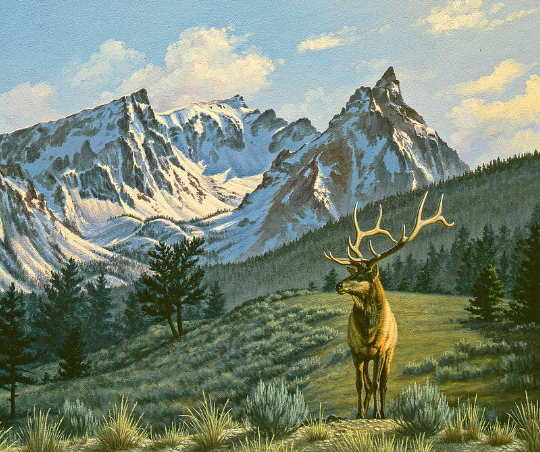
Elk art has long served as a vital link between nature and human expression, beautifully illustrating the bond between communities and their environments. As we increasingly navigate the challenges of modern urbanization and climate change, understanding the role of elk in cultural landscapes becomes more relevant than ever. This blog post explores the significance of elk art and how it reflects both cultural identity and environmental awareness.
The Role of Elk in Indigenous Cultures
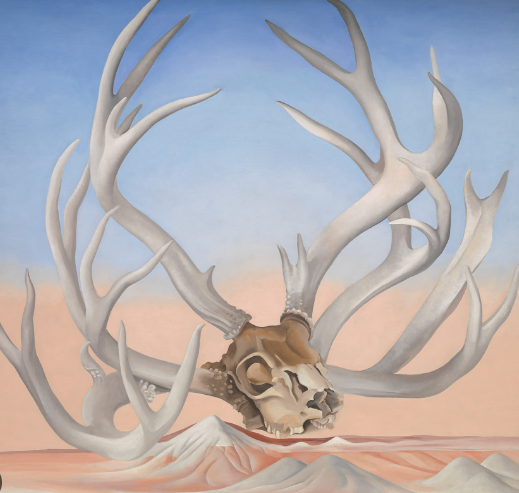
For many indigenous communities, elk have held immense spiritual and practical significance. Historically, they provided not just food but also materials for clothing, tools, and artwork. Elk are often portrayed in various forms of art, from rock carvings to intricate beadwork, serving as symbols of strength and resilience. The depiction of elk in these artworks often embodies not just the animal itself but the spiritual connection and respect the communities have for nature. As cultural narratives evolve, these representations of elk continue to remind us of the deep-rooted relationship between humans and the natural world.
Elk Art and Ecological Awareness
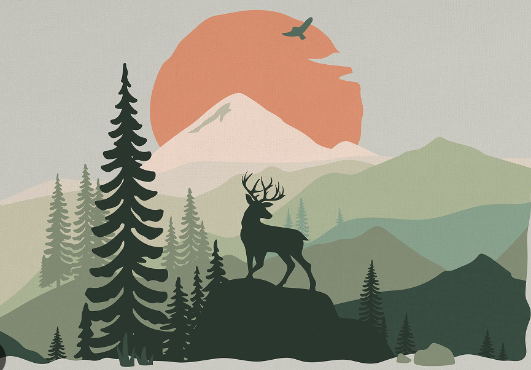
In recent years, elk art has evolved to raise awareness about conservation and ecological issues. Artists are increasingly using their skills to bring attention to the challenges faced by elk populations due to habitat loss, climate change, and human encroachment. Public art installations and community projects often incorporate elk imagery to provoke thought and discussion around wildlife preservation. Such creative expressions can foster a sense of stewardship, encouraging viewers to respect and protect the ecosystems that support both elk and humans.
The Intersection of Art and Landscape
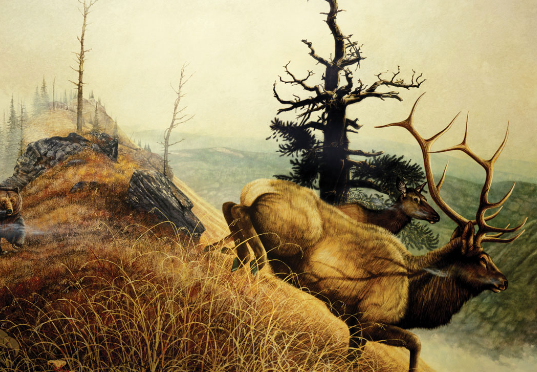
Elk art is not confined to museums or galleries; it often engages with the landscapes in which these animals thrive. Artists frequently use natural materials or create site-specific works that resonate with the environment itself. For example, sculptures made from local wood or stone not only celebrate the elk but also enhance public spaces, creating a dialogue between art, nature, and community. This blending highlights how art can transform landscapes into living stories, encouraging people to appreciate their surroundings more deeply.
Conclusion
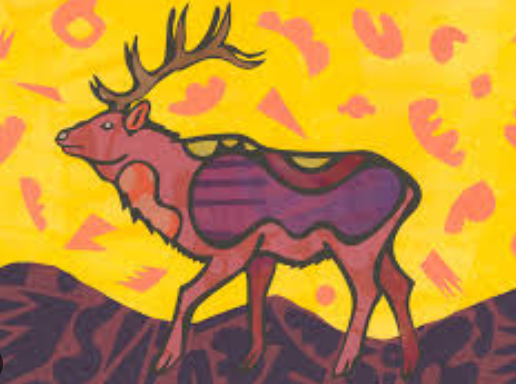
Elk art serves as a powerful expression of cultural identity, ecological awareness, and community connection. By understanding and engaging with these artistic representations, we can gain valuable insights into the intricate relationship between nature and culture. So why not dive deeper? Explore local galleries, participate in community art projects, or even try your hand at creating your own elk-inspired artwork. Every step you take can contribute to a greater appreciation for the rich tapestry of life that surrounds us.