
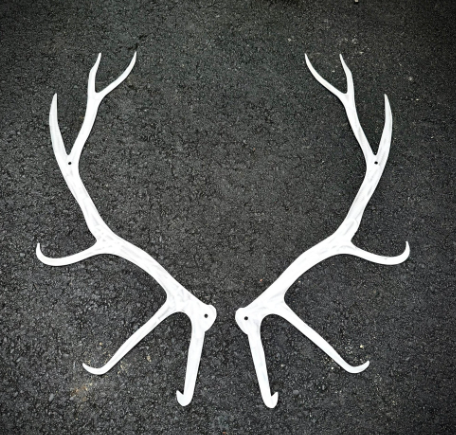
Elk Art Focused on Antler Forms
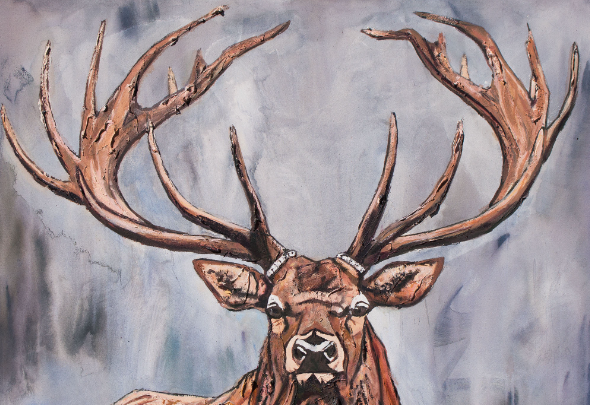
In the world of art, nature often serves as an infinite source of inspiration. Elk antlers, with their intricate and organic shapes, offer a unique medium for artists. This blog post dives into the fascinating intersection of elk art and antler forms, exploring their cultural significance and creative potential.
Unique Characteristics of Elk Antlers
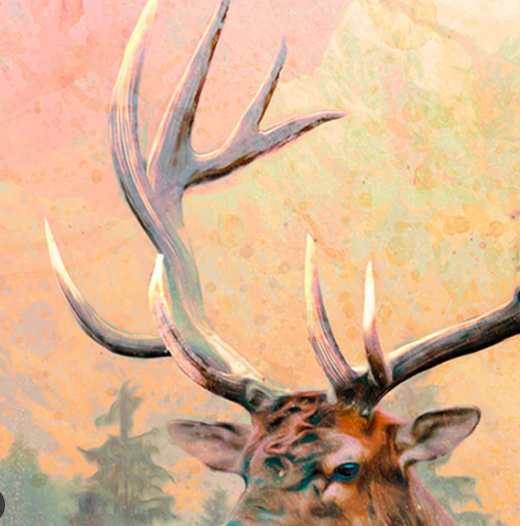
Elk antlers are not just striking in their visual appeal; they possess distinctive characteristics that make them an enticing material for artists. Each set of antlers grows in a unique pattern, providing a wide array of shapes and sizes to work with. These forms can range from the elegant arches to complex branching structures. This diversity invites artists to experiment with textures, colors, and finishes, creating one-of-a-kind pieces that capture the essence of the wild. Additionally, antlers are lightweight yet durable, making them suitable for various art projects, from sculpture to home décor.
Cultural Significance and Traditional Uses
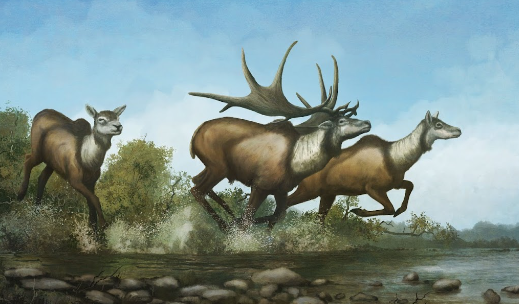
Throughout history, elk antlers have played a significant role in various cultures, particularly among Indigenous peoples of North America. They were often used for tools, utensils, and ceremonial items, signifying strength, resilience, and spirituality. For contemporary artists, this cultural backdrop adds layers of meaning to their work. By integrating traditional techniques or storytelling elements, they can honor the legacy of those who came before them while expressing modern themes. The blending of history and innovation opens up interesting conversations about identity, heritage, and the relationship between nature and artistry.
Innovative Techniques in Antler Art
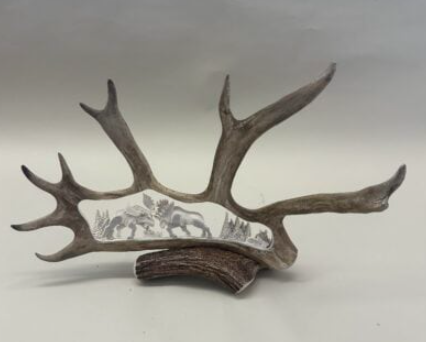
The art world is constantly evolving, and artists have begun to explore innovative techniques for working with elk antlers. From wood-burning designs to intricate carvings, the possibilities are endless. Some artists merge antlers with other materials, like wood or metal, to create mixed-media pieces that emphasize the natural beauty of the antlers while adding new dimensions. Others have experimented with dyeing or painting antler surfaces, giving new life to what was once a simple natural object. These techniques allow artisans to express their individual style and showcase the versatility of antler forms in contemporary art.
In conclusion, elk antler art not only celebrates the beauty of nature but also honors cultural legacies and fosters creativity. Whether you’re an artist looking to explore new materials or simply an admirer of unique craftsmanship, there’s much to discover in the realm of elk art. Why not take the next step and delve deeper into this captivating subject? Visit local galleries, attend workshops, or engage with artists online to learn more about the enchanting world of elk antler art.