
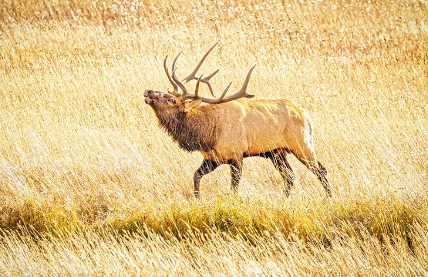
Elk Art for Museums and Galleries: A Unique Exploration of Nature’s Majesty
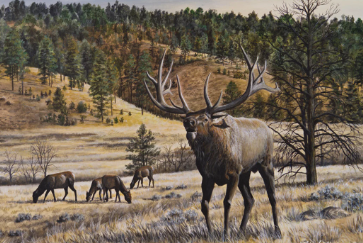
Elk art is a fascinating subject that blends the elegance of wildlife with the creativity of human expression. This topic is particularly relevant for museums and galleries that seek to showcase the beauty of nature and the stories that come with it. By featuring elk art, these institutions can draw attention to environmental themes, inspire conservation efforts, and engage visitors in a unique way.
The Cultural Significance of Elk in Art
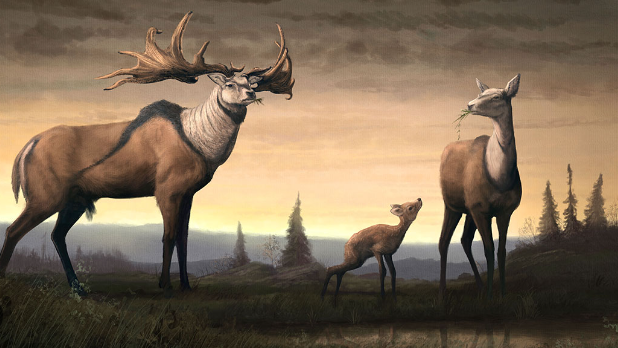
Elk have held a prominent place in various cultures around the world, symbolizing strength, grace, and a connection to the natural world. Many indigenous communities have historically depicted elk in their art, using these majestic creatures as a way to narrate their histories and beliefs. Museums and galleries can highlight this cultural significance through curated exhibits that showcase traditional artworks along with modern interpretations. This understanding not only enriches the viewer’s experience but also fosters respect for diverse artistic traditions and their ecological messages.
Artistic Techniques and Mediums
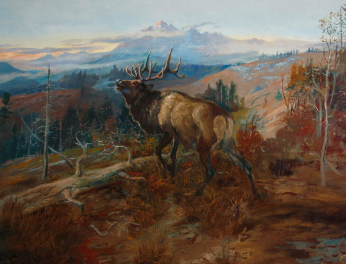
Elk art can be represented through a variety of artistic techniques and mediums, making it a versatile subject for artists. From traditional painting and sculpture to contemporary photography and digital art, the portrayal of elk allows for creative expression that can resonate with different audiences. Galleries can feature works ranging from realistic depictions to abstract interpretations, encouraging viewers to appreciate the diverse ways artists connect with these animals. Workshops or artist talks could enhance the exhibit experience by educating visitors about the techniques used and the inspiration behind each piece.
Conservation and Environmental Awareness
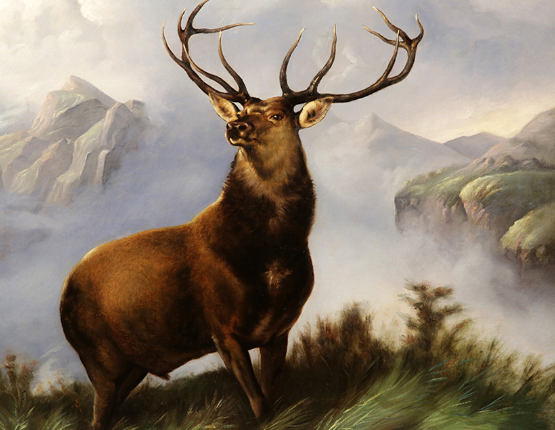
Incorporating elk art into museum and gallery spaces also serves a larger purpose: promoting conservation and awareness of wildlife. By showcasing the beauty and majesty of elk, galleries can highlight the importance of preserving their habitats and the ecosystems they inhabit. Collaborations with wildlife organizations can further enhance this message, incorporating information about conservation efforts and how individuals can contribute. Engaging the public through interactive installations or informative displays can turn a simple art exhibit into a powerful campaign for environmental stewardship.
Conclusion
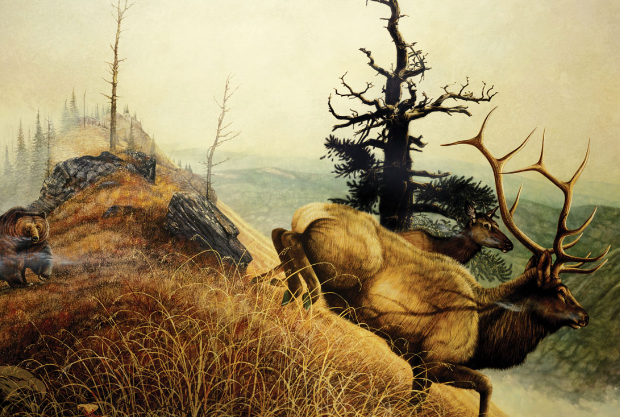
Elk art presents an exciting opportunity for museums and galleries to blend artistic expression with cultural storytelling and conservation awareness. By exploring this unique subject, institutions can create memorable experiences that educate and inspire visitors. Whether you’re an artist interested in getting involved, a museum professional looking to plan an exhibit, or simply a nature lover curious about the art world, there’s much to discover about the exquisite connection between elk and artistry. Dive deeper into this fascinating topic and consider how you can be a part of this inspiring movement!