
Elk Art in Cultural Heritage Displays
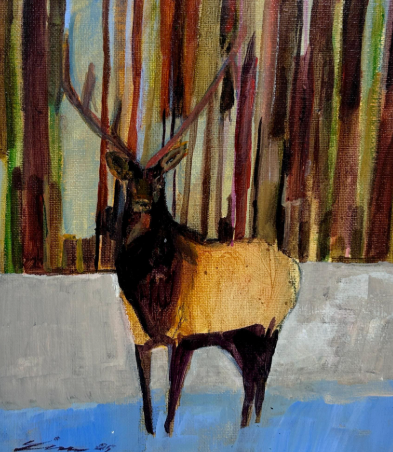
Elk art is a fascinating element of cultural heritage that embodies the deep-rooted connection between communities and the natural world. Highlighting the significance of elk in various cultures, this art form offers insights into ancient traditions and contemporary practices. Exploring elk art not only enriches our understanding of diverse identities but also fosters appreciation for wildlife conservation.
The Significance of Elk in Cultural Traditions

Throughout history, elk have held a prominent place in the folklore and mythology of many Indigenous peoples, particularly in North America. For these communities, elk symbolize strength, resilience, and connection to the land. Art depicting elk often features intricate designs and storytelling elements, showcasing not just the animal itself but the relationship between humans and nature. Through pottery, carvings, and textiles, artists express their cultural narratives, preserving their heritage while educating others about their traditions and beliefs.
The Evolution of Elk Art Techniques
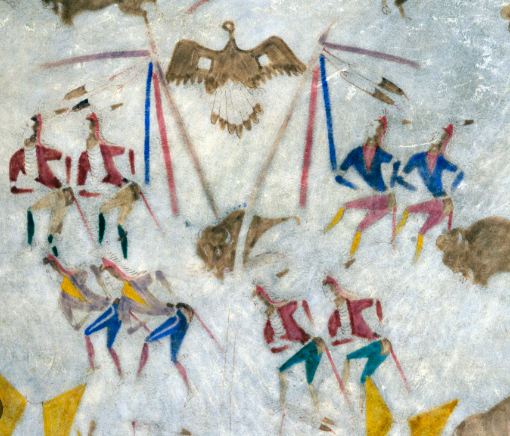
Elk art has evolved significantly over the years, reflecting both ancient practices and modern approaches. Traditional techniques, such as beadwork, basketry, and carving, remain vital in many cultural displays, showcasing the skills passed down through generations. Today, contemporary artists are also exploring new mediums, merging traditional motifs with modern aesthetics. This fusion rejuvenates elk art, making it relevant to younger audiences while ensuring that their cultural stories continue to be told. In many exhibitions, elk art not only draws attention to the beauty of these creations but also serves as a crucial conversation starter about cultural diversity and sustainability.
Cultural Exhibits and Educational Impact
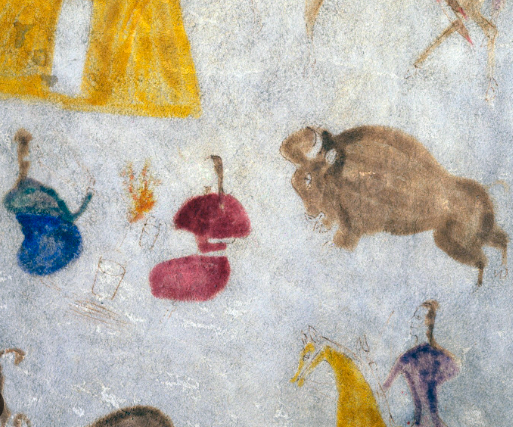
Cultural heritage displays featuring elk art provide invaluable opportunities for education and engagement. Museums and galleries that showcase this type of art often include interactive elements, workshops, and guided tours, allowing visitors to gain deeper insights into the cultural context of the pieces. Furthermore, these exhibits play a role in promoting wildlife conservation by highlighting the importance of elk within their ecosystems. By connecting audiences with the stories behind the art, institutions can inspire a greater appreciation for both cultural heritage and the natural world.
In conclusion, elk art serves as a vibrant link between culture and nature, enriching our understanding of diverse communities and their traditions. Whether you’re an art enthusiast or someone interested in cultural history, exploring elk art can provide a unique perspective on the interconnections that shape our world. We encourage you to visit local exhibits or conduct your own research to uncover the profound stories and artistry embedded in elk art. Dive into this rich cultural heritage today!