
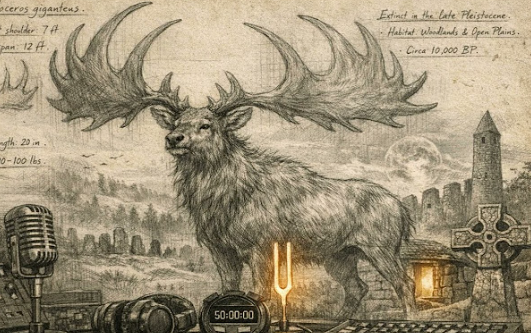
Elk have long inspired folklore, mythology, and visual art across cultures. Their strength, grace, and commanding presence have made them powerful symbols in stories, rituals, and artistic traditions.
The Symbolism of the Elk in Native American Lore
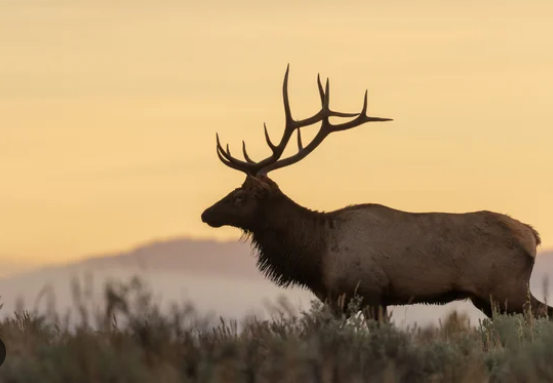
In many Native American traditions, elk are associated with strength, endurance, courage, and harmony with nature. They often appear in stories connected to hunting, survival, and respect for the land.
Elk imagery in carvings, paintings, and ceremonial objects reflects their importance as animals deeply tied to balance, sustenance, and spiritual meaning.
Elk in European Folklore
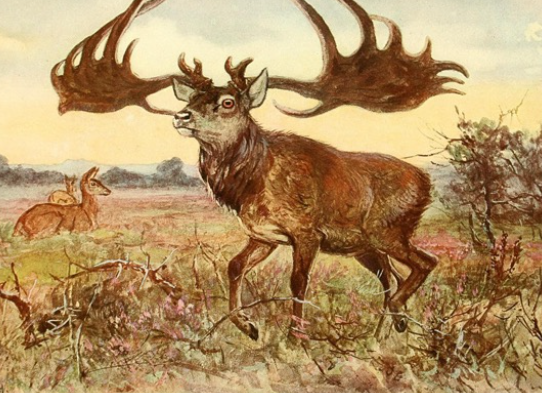
In European folklore, elk or moose are often portrayed as mysterious forest animals connected to wisdom and wilderness. In Scandinavian stories, they may appear as powerful creatures of the woodland, sometimes guiding travelers or symbolizing the untamed forces of nature.
Their presence in art and storytelling reflects respect for the forest and the creatures that inhabit it.
The Medieval Elk in Heraldry
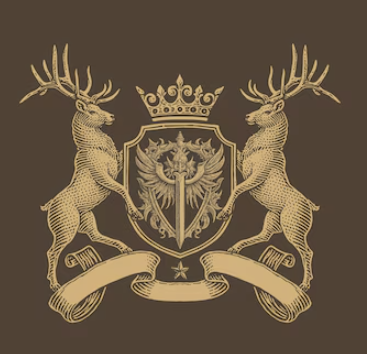
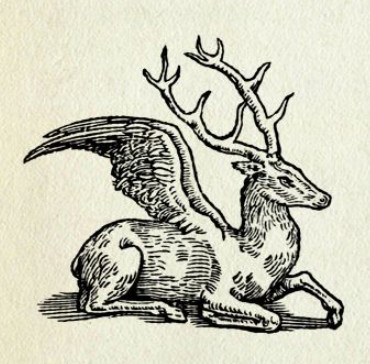
During the medieval period, elk appeared in heraldic designs as symbols of nobility, perseverance, courage, and strength. Their antlers and imposing form made them visually striking emblems for coats of arms and family symbols.
This use of elk imagery shows how animals were often used to express human ideals, social identity, and values associated with honor and resilience.
Conclusion
Elk art offers a meaningful way to explore the relationship between nature, culture, and mythology. From Native American symbolism to European legends and medieval heraldry, elk continue to inspire stories and creative expression.
Today, an elk sculpture can serve as a powerful artistic tribute to these traditions, capturing the majesty, mystery, and symbolic strength that elk have represented across generations.