
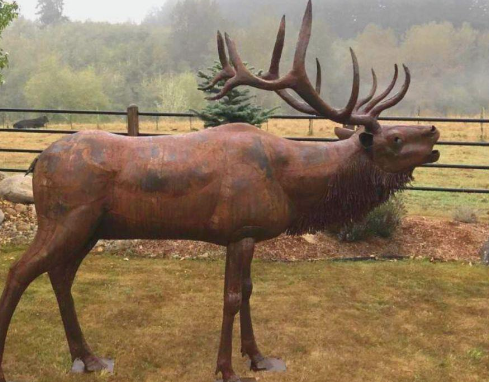
Elk sculpture art captures the majestic beauty of these magnificent creatures, immortalizing their elegance in various materials. Understanding the materials used in elk sculptures not only enhances our appreciation of this art form but also informs aspiring artists about their creative options. Let’s explore some of the most common materials that breathe life into elk sculptures.
Stone: Timeless and Durable
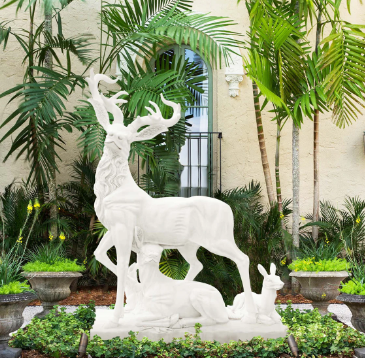
Stone is one of the oldest materials used in sculpture, and it holds a unique charm and durability that few other materials can match. Artists often choose types like marble, granite, and soapstone for their weight and permanence. Each stone type brings its own texture and color, allowing the artist to convey a specific emotion or aesthetic. Stone elk sculptures can withstand the elements, making them ideal for outdoor display, and they often carry a sense of timelessness that resonates with viewers. The skill required to carve stone into lifelike forms adds a level of prestige to the artist’s work, making each piece a remarkable achievement.
Wood: Warm and Organic
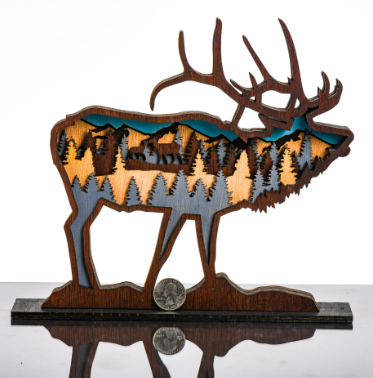
Wooden sculptures offer a warmth and organic feel that appeals to many. Artists use a variety of woods, including oak, walnut, and cedar, each bringing distinct characteristics to the table. Wood has the ability to showcase intricate details, such as the fur texture or the contours of the elk’s body. The grains and natural colors of the wood can enhance the sculpture’s aesthetics, providing a unique, individualized look. Moreover, wood is more forgiving than stone, allowing for a broader range of styles from hyper-realistic depictions to abstract representations, making it a go-to choice for many contemporary artists.
Metal: Modern and Versatile
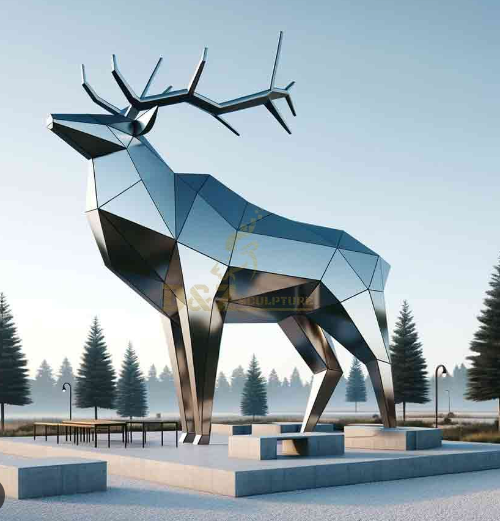
Metal has become increasingly popular in the world of elk sculpture art, offering a modern twist to traditional techniques. Common metals used include bronze, steel, and aluminum. Each has its own benefits: bronze is known for its durability and ability to capture fine details, while aluminum offers a lighter option that can be easily molded and manipulated. Metal sculptures often have a sleek and polished appearance, which can create a striking contrast against natural surroundings. Additionally, artists can experiment with finishes, from patinas to paints, allowing them to express their vision in varied and dynamic ways. This versatility makes metal an exciting medium for both abstract and realistic elk sculptures.
In conclusion, the world of elk sculpture art is rich with diverse materials that each contribute their unique qualities and charm. Whether it’s the timelessness of stone, the warmth of wood, or the modern flair of metal, each material tells its own story and enhances the artistic expression of elk sculptures. If you’re inspired to explore this art form further or perhaps even create your own sculpture, consider how these materials could play a role in your artistic journey. Happy sculpting!