
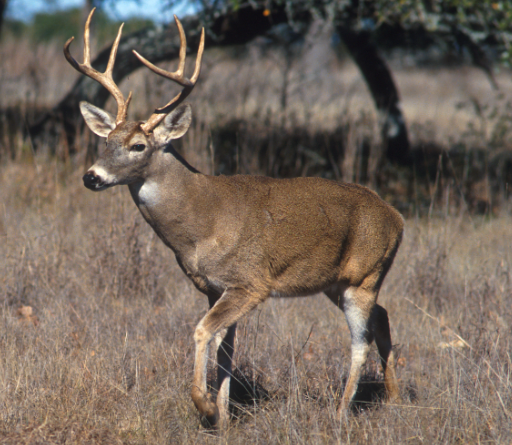
Among the most common wild animals in North America, the whitetail deer is undoubtedly one of the most representative. They are both elegant and agile, and possess many little-known characteristics. Here are 10 interesting facts about whitetail deer to help you understand this familiar yet mysterious animal better.
The whitetail deer’s tail is an “alarm bell”
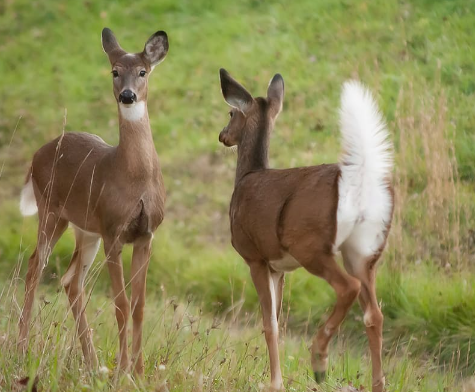
The inside of the whitetail deer’s tail is distinctly white, and when startled, it quickly raises its tail. This behavior is not only self-awareness but also a danger signal to its companions.
They are incredibly fast runners
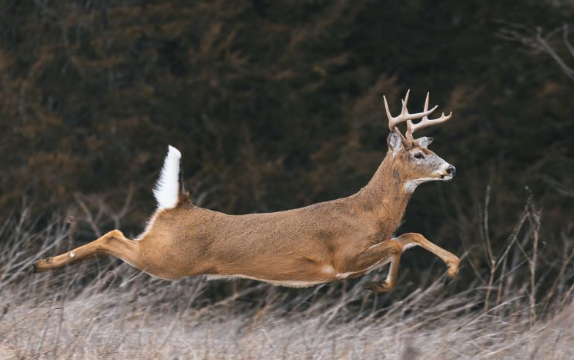
Whitetail deer can reach top speeds of over 50 kilometers per hour and possess excellent jumping ability, easily leaping over high obstacles.
Antlers regrow annually
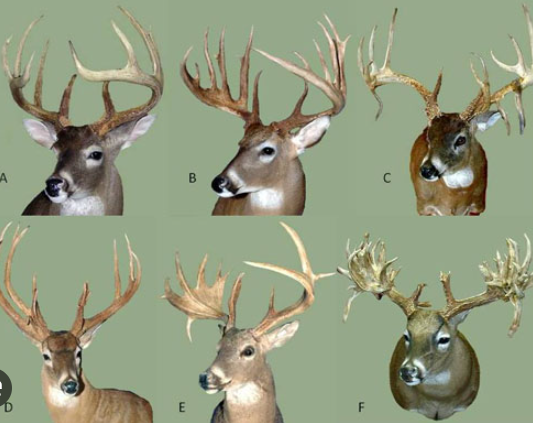
The antlers of male deer grow periodically, shedding each winter and growing back in the spring. The new antlers are initially covered by a soft “velvet” layer filled with blood vessels.
Smell is their strongest sense
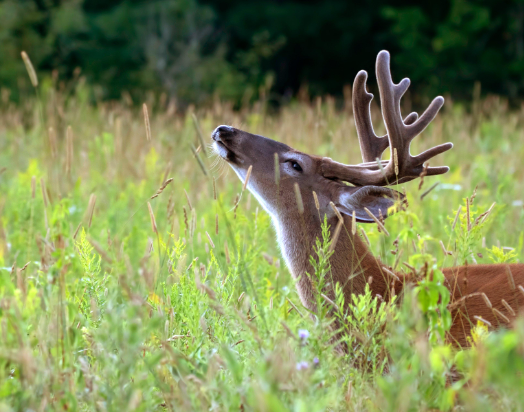
White-tailed deer have an extremely sensitive sense of smell, capable of detecting changes in odor from great distances. This is one of their key advantages for survival in the wild.
They are better at detecting moving threats
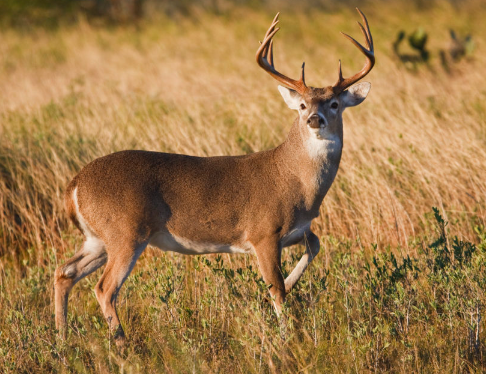
Unlike humans, white-tailed deer have limited ability to recognize stationary objects, but are extremely sensitive to moving ones. Therefore, remaining still is more effective when observing in the wild.
White-tailed deer are twilight actives

They are typically most active at dawn and dusk. This behavior effectively avoids predators and increases foraging efficiency.
They have excellent memory
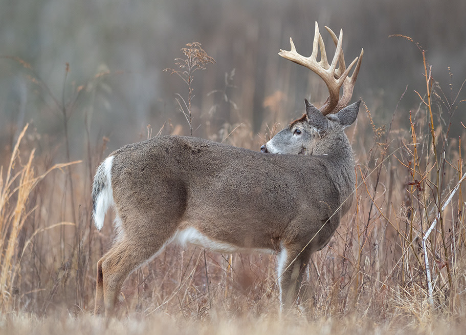
White-tailed deer can remember food sources and danger zones. This spatial memory helps them survive in complex environments.
White-tailed deer are excellent swimmers
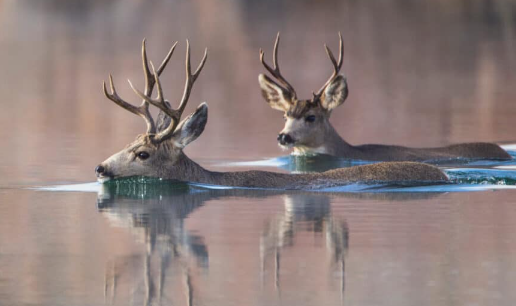
Many people don’t know that white-tailed deer can not only swim, but also easily cross rivers or lakes to find food or escape threats.
Deer herds exhibit a “family structure”
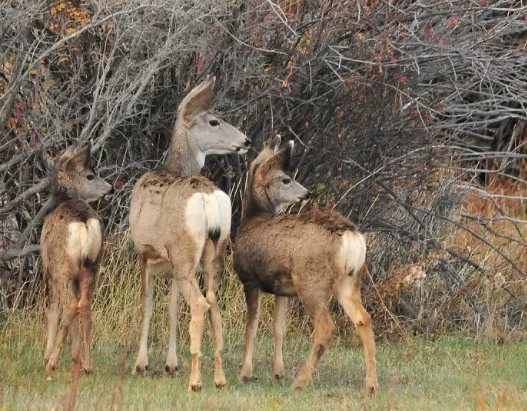
Females and fawns typically form stable small groups, while males remain relatively independent outside the breeding season. This structure allows them to cooperate while maintaining flexibility.
They profoundly influence human culture
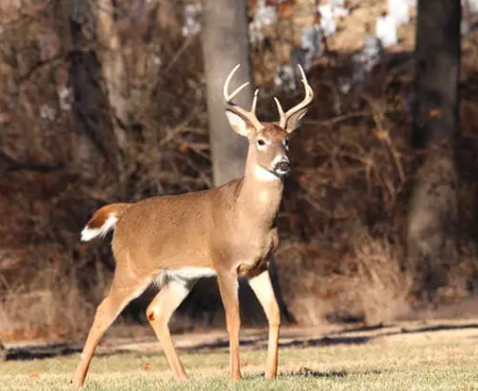
White-tailed deer are not only important members of the ecosystem but also hold a place in art and life. Many people like to incorporate deer imagery into environmental design, such as placing Deer Family sculptures in courtyards or landscapes to express images of nature, tranquility, and family. This extension from nature to human space reflects people’s recognition of the unique charm of the white-tailed deer.