
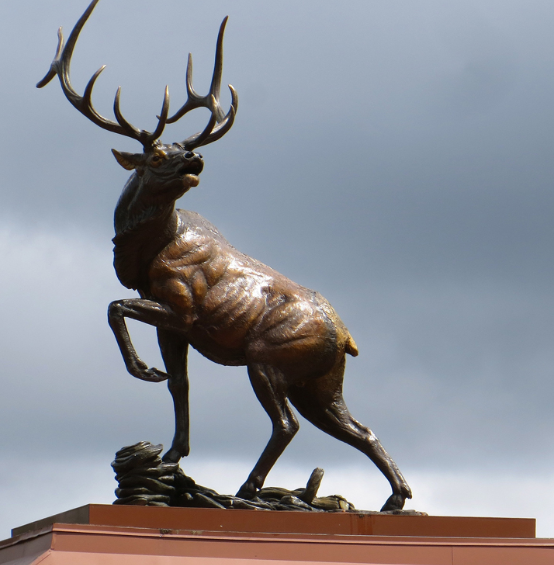
Overview of Bronze Elk Sculptures
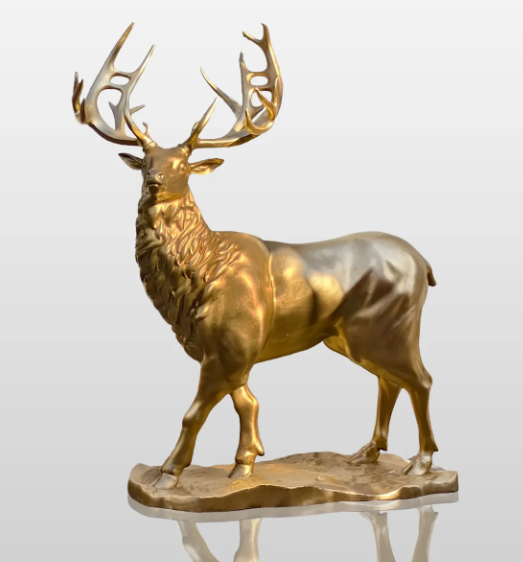
Bronze elk sculptures capture the majesty of these magnificent creatures and hold a special place in art and culture. These sculptures not only enhance the aesthetic appeal of a space but also serve as a reminder of wildlife conservation and nature’s beauty. Whether you’re an art enthusiast, a nature lover, or simply looking to enrich your home decor, understanding bronze elk sculptures can help you appreciate their significance and beauty.
The Craftsmanship Behind Bronze Elk Sculptures
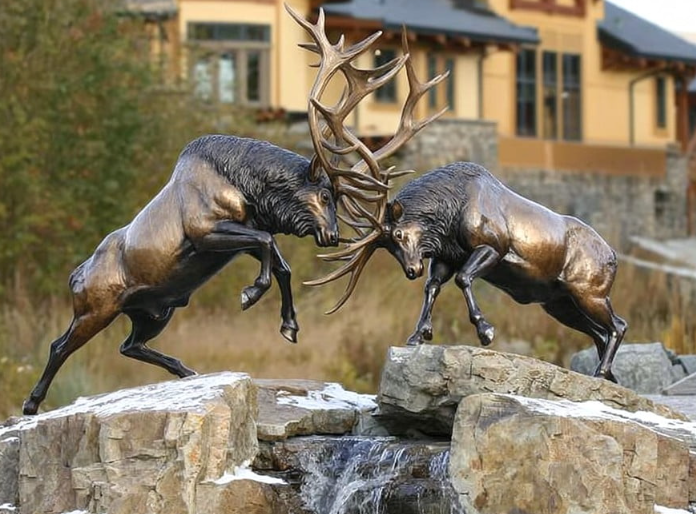
Creating a bronze elk sculpture is no small feat; it involves intricate craftsmanship and a deep understanding of both materials and artistry. Artists typically start with a model made of clay or another material, which is then cast in bronze through a process called lost-wax casting. This method allows for delicate details, such as the elk’s fur texture and facial features, to be captured. The result is a piece that not only showcases the elk’s beauty but also reflects the artist’s unique vision and skill, making each sculpture a one-of-a-kind work of art.
Cultural Significance and Symbolism
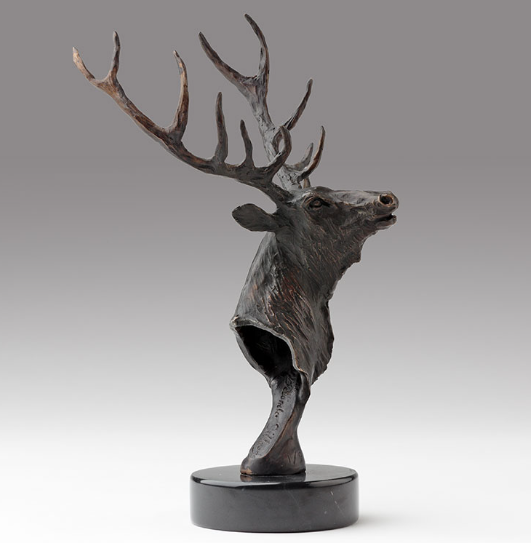
Elks have long been symbols of strength, endurance, and connection to nature in various cultures. In many Native American traditions, the elk represents family and loyalty, often appearing in folklore and spiritual stories. A bronze elk sculpture can serve as a meaningful addition to one’s home or garden, symbolizing these important values. Moreover, art collectors often appreciate the cultural narratives that accompany these pieces, making them not just decorative items but also conversation starters that link back to nature and heritage.
Caring for Your Bronze Elk Sculpture
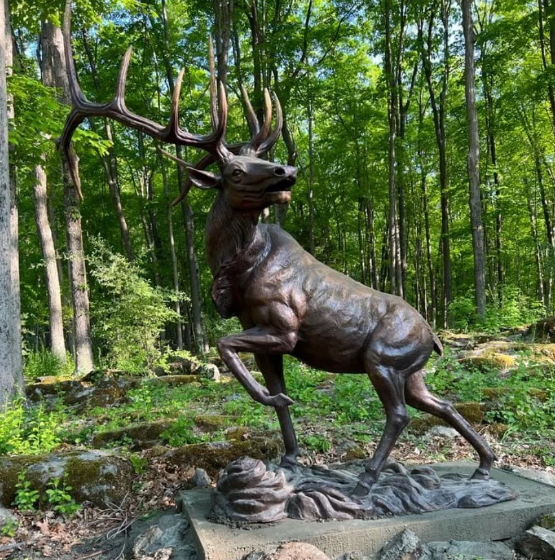
Once you invest in a beautiful bronze elk sculpture, it’s essential to know how to care for it to ensure its longevity. Bronze is a durable material, but it may develop a patina over time. Some owners prefer to let this natural aging process occur, while others may want to maintain the sculpture’s original shine. Regularly dusting the piece with a soft cloth and avoiding harsh cleaning agents will help keep it in good condition. Additionally, if the sculpture is displayed outdoors, consider a protective coating to prevent weather-related damage while still allowing it to age gracefully.
Conclusion
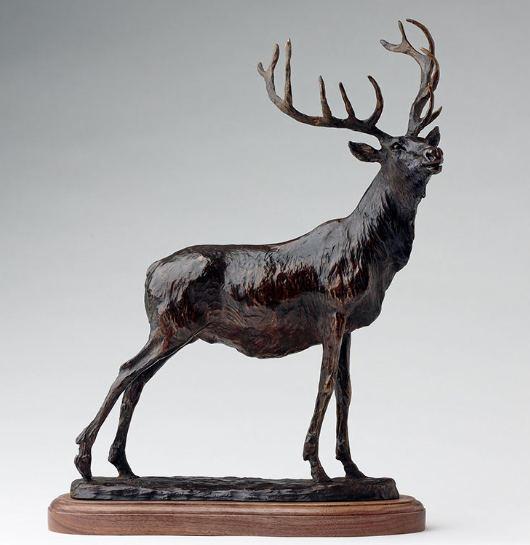
Bronze elk sculptures are not just art pieces; they are rich in craftsmanship, cultural significance, and beauty. Whether adorning your home or serving as a thoughtful gift, these sculptures offer a meaningful connection to nature and artistry. If you’re interested in adding one to your collection or learning more about the process and history behind them, take the next step on your artistic journey today.