
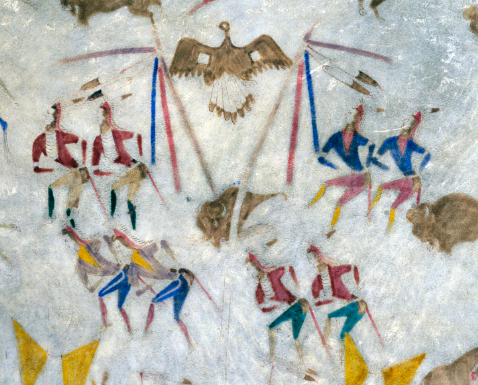
Elk in Indigenous Art Traditions
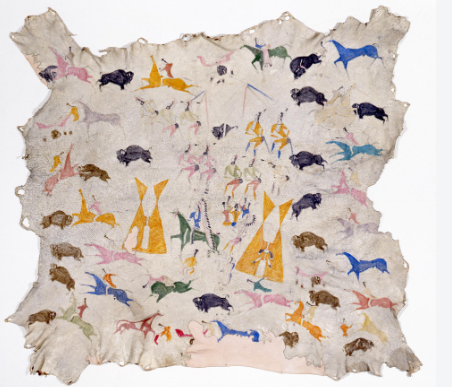
Elk have held significant cultural importance in various Indigenous communities across North America. These majestic creatures not only represent the beauty and power of nature but also embody profound spiritual meanings. Exploring the role of elk in Indigenous art traditions offers valuable insights into the connection between people, animals, and the environment.
Cultural Significance of Elk in Indigenous Spirituality
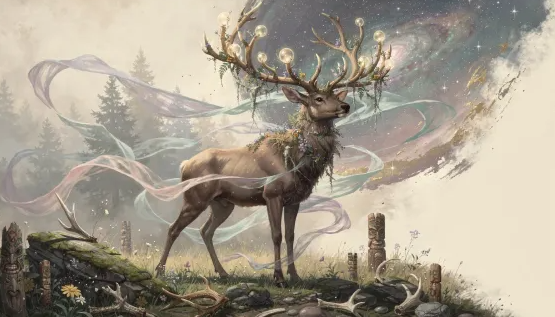
In many Indigenous cultures, elk are seen as symbols of strength, stability, and sustenance. They are often associated with important spiritual beliefs and rituals. The elk’s majestic antlers can represent leadership and power, while their graceful movements in nature inspire themes of harmony and balance. These qualities frequently translate into artistic expressions found in carvings, paintings, and textiles. Elk are not just depicted for their physical attributes; they embody deeper stories that reflect respect for nature and the interconnectedness of all living beings.
Elk as a Central Theme in Art
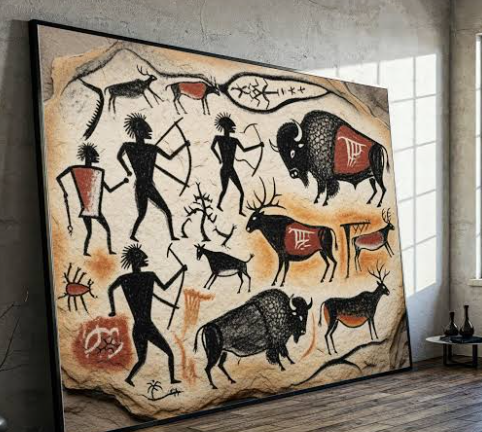
Elk appear prominently in various Indigenous art forms, from traditional carvings to contemporary designs. Artists use different materials, such as wood, stone, and clay, to create works that celebrate the elk’s beauty and significance. For example, some Native American tribes depict elk in intricate beadwork or woven textiles, illustrating traditional hunting techniques or ceremonial dances. These artistic representations serve as both a tribute to the elk’s role in everyday life and as a means for passing down knowledge and cultural identity to future generations.
Modern Interpretations and the Revival of Tradition
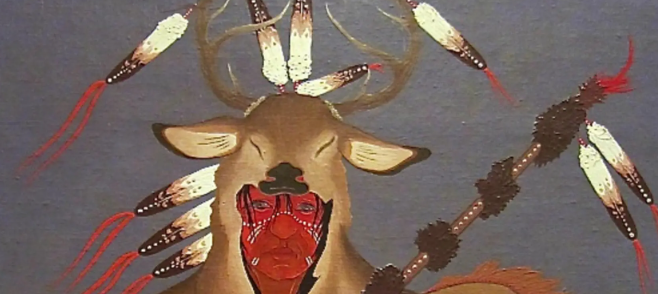
In recent years, there has been a resurgence of interest in incorporating traditional elements into modern art forms. Many contemporary Indigenous artists are reinterpreting elk motifs and infusing them with modern techniques and materials. This revival not only helps preserve the cultural heritage surrounding elk but also opens the door for dialogue about environmental conservation and Indigenous rights. Through exhibitions and galleries, artists are using their work to educate audiences about the historical and present significance of elk in Indigenous cultures, fostering a greater appreciation of these majestic animals and their roles in our ecosystems.
In conclusion, the portrayal of elk in Indigenous art traditions enriches our understanding of the deep connections between nature and culture. By learning more about these artistic expressions, we can celebrate the ecological wisdom that Indigenous peoples offer. I encourage you to explore local museums, galleries, or online resources to delve deeper into the fascinating intersection of elk and Indigenous artistry.