
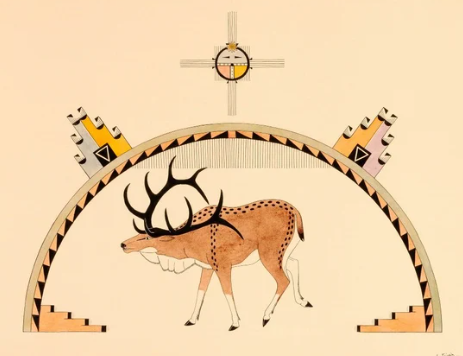
Elk have held a significant place in Native American culture for centuries, symbolizing strength, resilience, and harmony with nature. As an essential part of many tribes’ spiritual beliefs, the portrayal of elk in art reflects both their reverence for these majestic creatures and the deeper meanings attributed to them. Understanding elk symbolism not only enriches our appreciation of Native American art but also deepens our connection to the natural world.
The Elk as a Symbol of Strength and Power
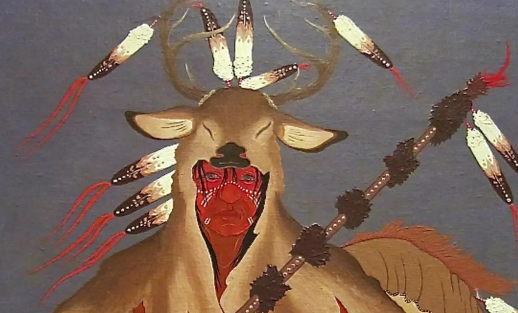
In many Native American cultures, elk are seen as powerful creatures that embody strength and endurance. Their impressive antlers and robust build represent physical prowess and the spirit of the warrior. Elk are often depicted in art as guardians, reminding viewers of the importance of resilience in the face of adversity. This symbolism can be observed in various forms of Native American art, from intricate carvings to vibrant paintings, each celebrating the dynamic energy of elk and their role as protectors of the land and community.
Elk in Spiritual Beliefs and Traditions
Elk also hold a vital place in the spiritual practices of numerous tribes. They are often associated with the cycle of life, representing regeneration and the interconnectedness of all living beings. Elk dances, rituals, and stories showcase their importance in ceremonies, highlighting the harmony that can exist between humans and nature. Traditional artists might incorporate elk into their work to convey messages of balance, respect, and gratitude, inspiring viewers to reflect on their relationship with the environment and the need for stewardship over the Earth.
Artistic Interpretations and Styles
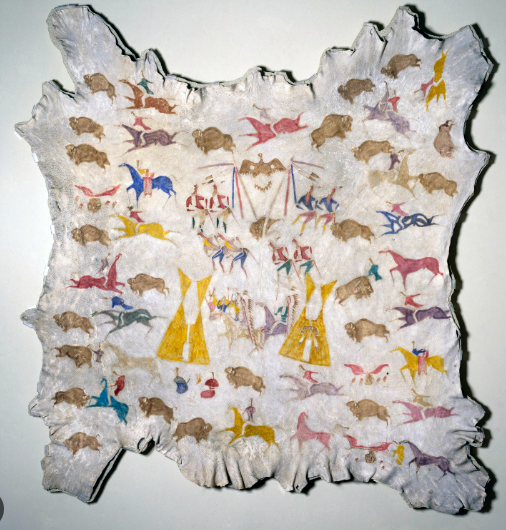
The artistic representation of elk varies widely across different tribes, each adding unique styles, colors, and meanings to their work. For instance, the Navajo may depict elk using vivid earth tones and geometric patterns, while the Lakota might emphasize the animal’s graceful movement in their storytelling. This diversity not only showcases the individual tribal identities but also illustrates how elk symbolism transcends cultural boundaries, uniting disparate communities through common themes of respect for the natural world. Contemporary Native American artists often blend traditional and modern techniques, bringing fresh perspectives to age-old stories while keeping the symbolism of elk alive in today’s society.
In Conclusion
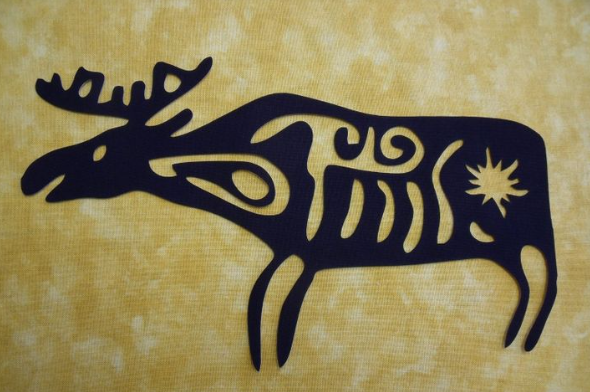
Elk symbolism in Native American art serves as a beautiful reminder of the strength, spirituality, and interconnectedness of all beings. By exploring these artistic expressions, we gain a deeper understanding of the cultural heritage that celebrates these magnificent creatures. We invite you to learn more about Native American art and the stories that lie within—consider visiting local galleries, reading more about tribal culture, or even trying your hand at creating your own artwork inspired by the elk. Embrace the wisdom that these symbols hold and foster a greater appreciation for the natural world around you.